

Mak’s Garden
A farmer’s tribute to loving the land after leaving it.
A legacy worth keeping
I wrote and photographed this story for Edible Seattle, and it's stayed with me since — not because it's a comeback story in the neat sense, but because it isn't one. Lee didn't return to farming out of nostalgia. She returned to it twice, on her own terms, and built something new both times.
Mak's Garden: A Farmer's Tribute to Loving the Land After Leaving It
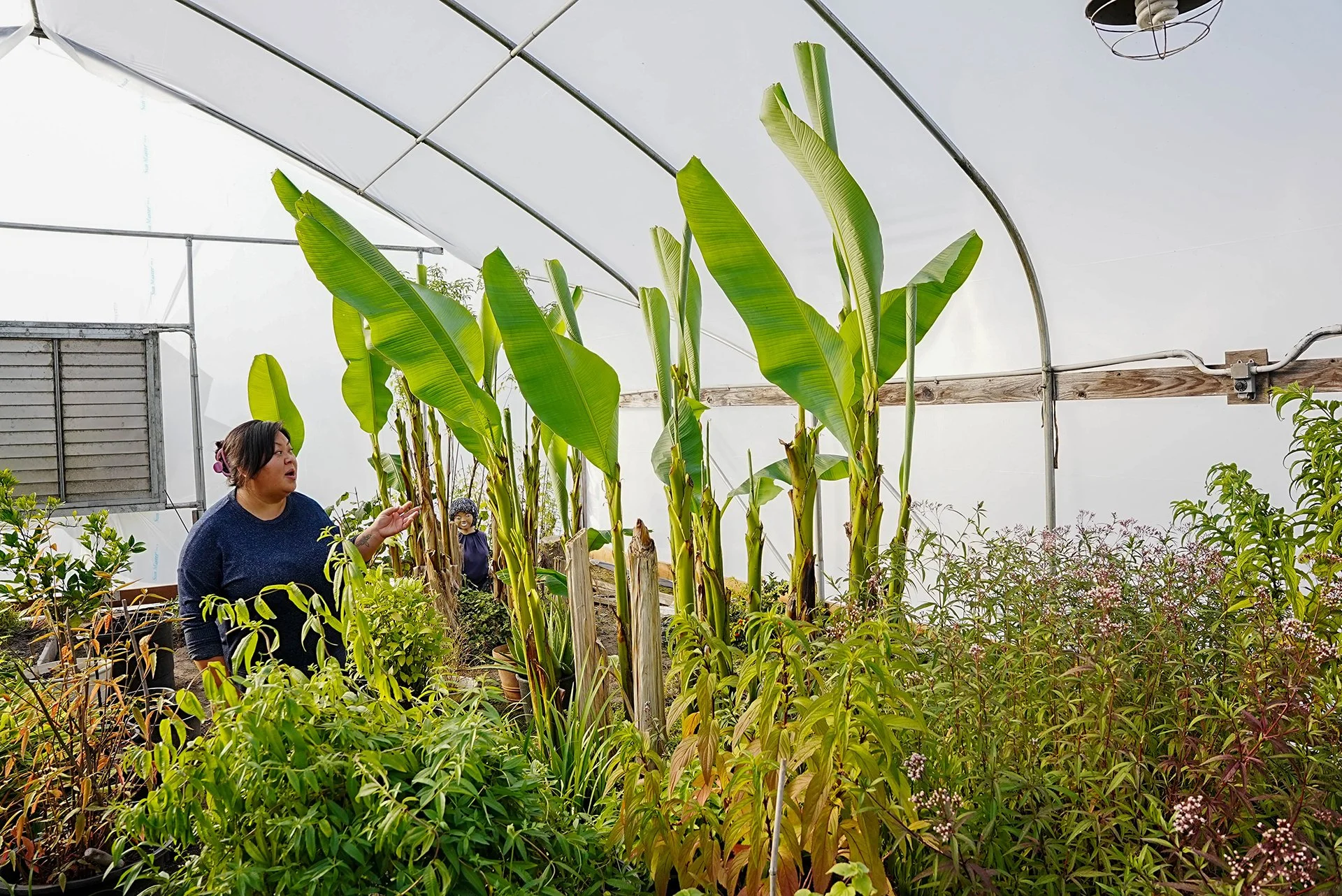
Mak Lee grew up on her family's farm and spent years trying to build a life away from it. She found her footing in Seattle's food industry instead, first in restaurant kitchens, then a leadership role at one of the city's prominent organic markets until the job nearly cost her everything. On Christmas Eve 2019, Lee got sick enough that her sister drove her to the emergency room. It took nearly six months, a pandemic, and a long reckoning with what the work had taken from her before she came home to the farm to figure out what came next.
A Legacy Worth Keeping
Lee's family is Hmong, and their farming knowledge runs generations deep. It was carried from Laos and Thailand, and replanted in Washington after her parents resettled here as refugees in the early 1980s. Her mother still collects heirloom seeds, including from farmers with no one left in the family to pass them down to, refining them until they take to this region's soil.
"If no one in the family wants to continue farming, these seeds will die out," Lee's mother tells her. "We should share them with people who love growing and who will take care of them." That belief — that knowledge is meant to move, not sit still — is the throughline of everything Lee does now, from the produce she grows to the way she talks about it with anyone who'll listen.
Building Mak's Garden
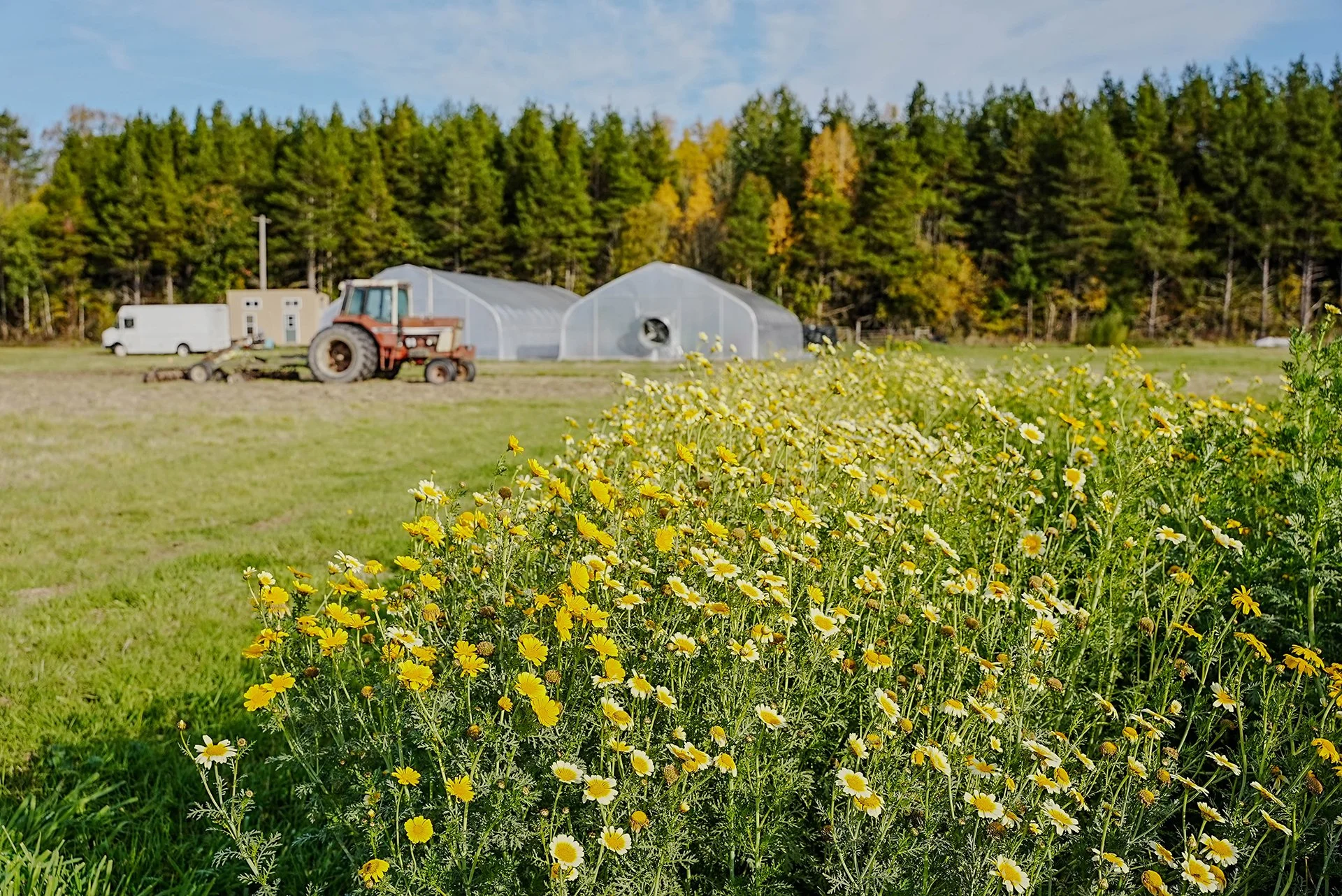
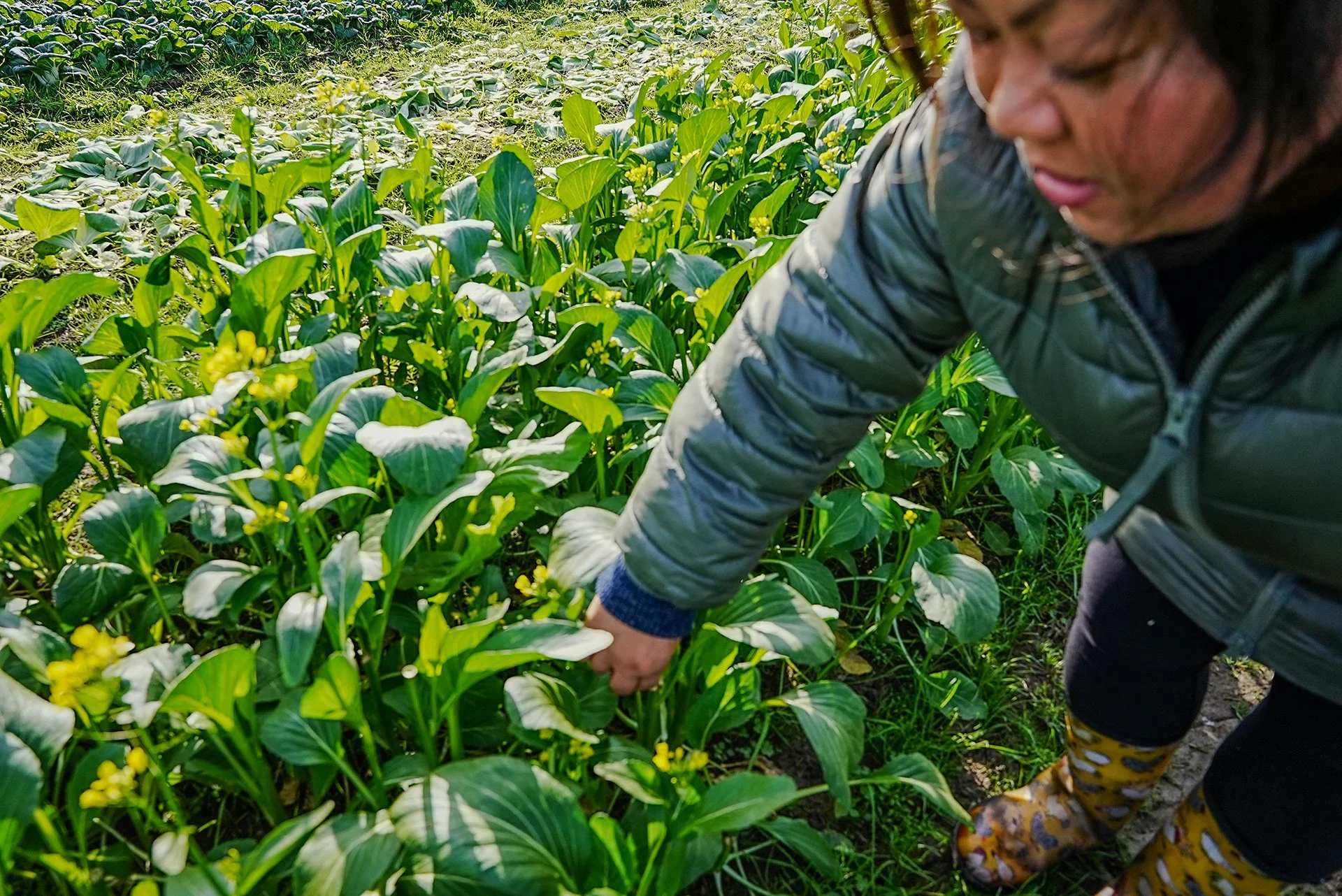
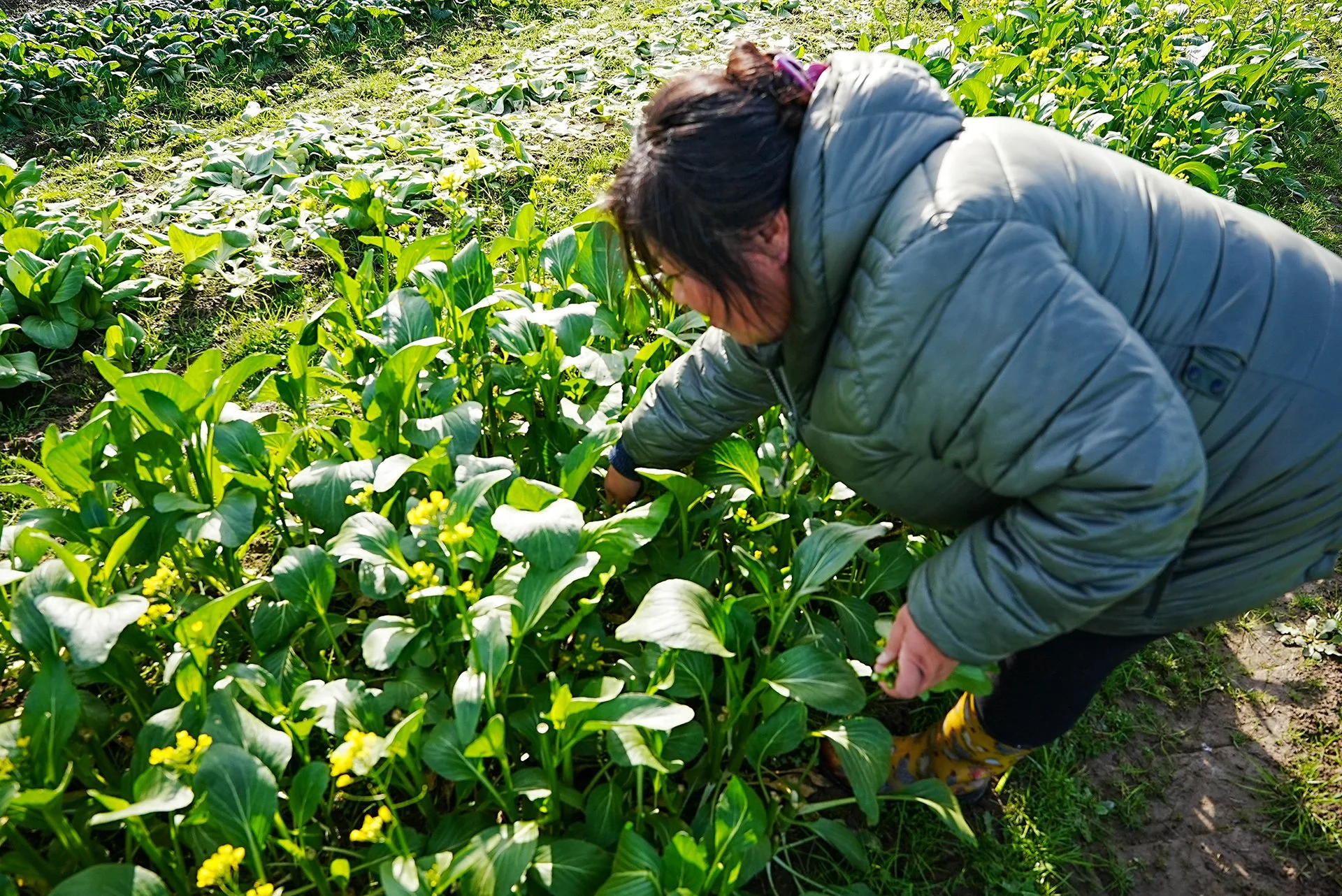
Mak’s family had always driven their produce to Seattle and Portland instead of selling closer to home for one simple reason: at an international market, nobody needed an explanation for choy sum, and English as a first language wasn’t a necessity. But Lee saw an opening at the Olympia Farmers Market, and her mother agreed to help — if Lee would farm her own two acres and make the business hers. Mak's Garden was born from that deal.
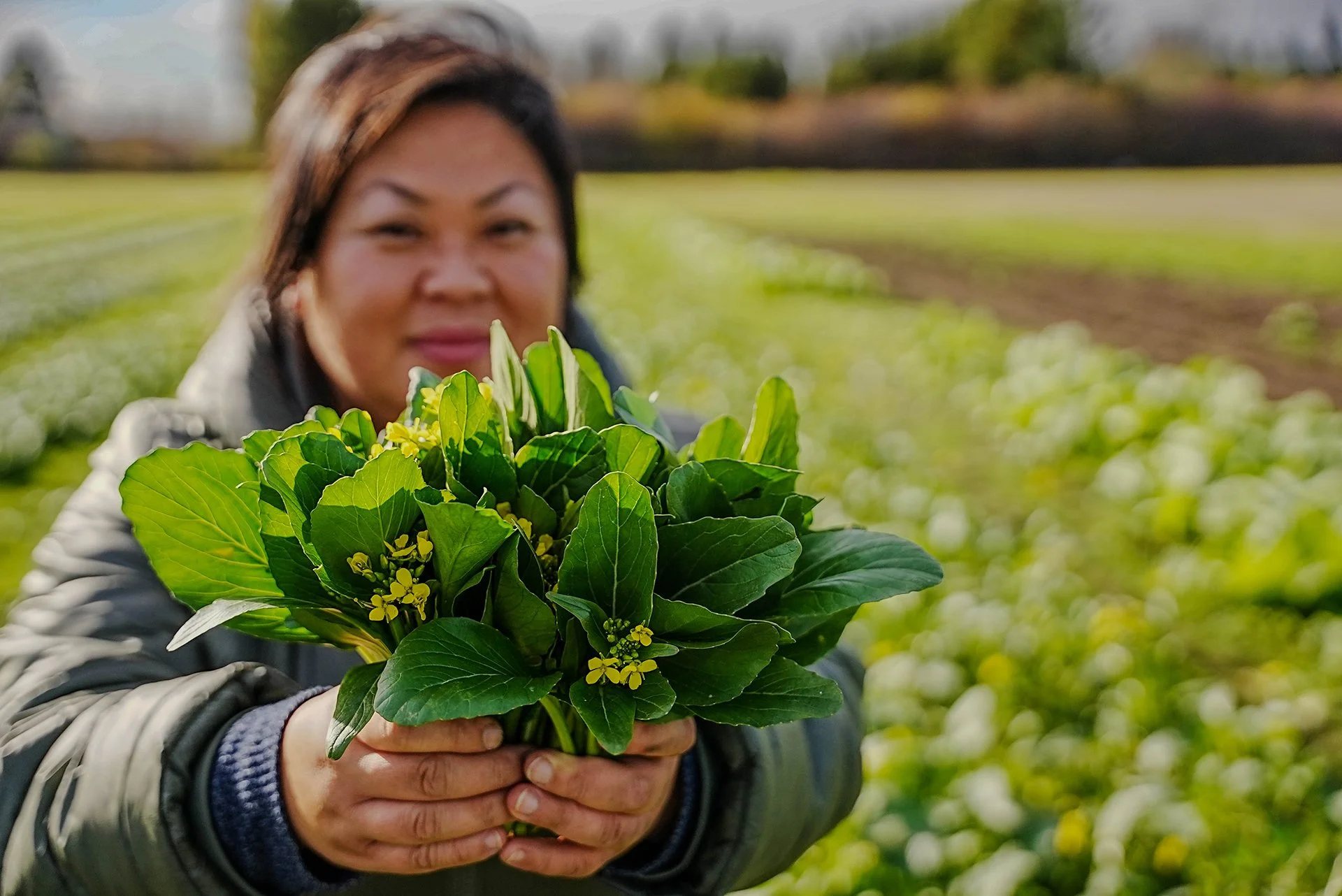
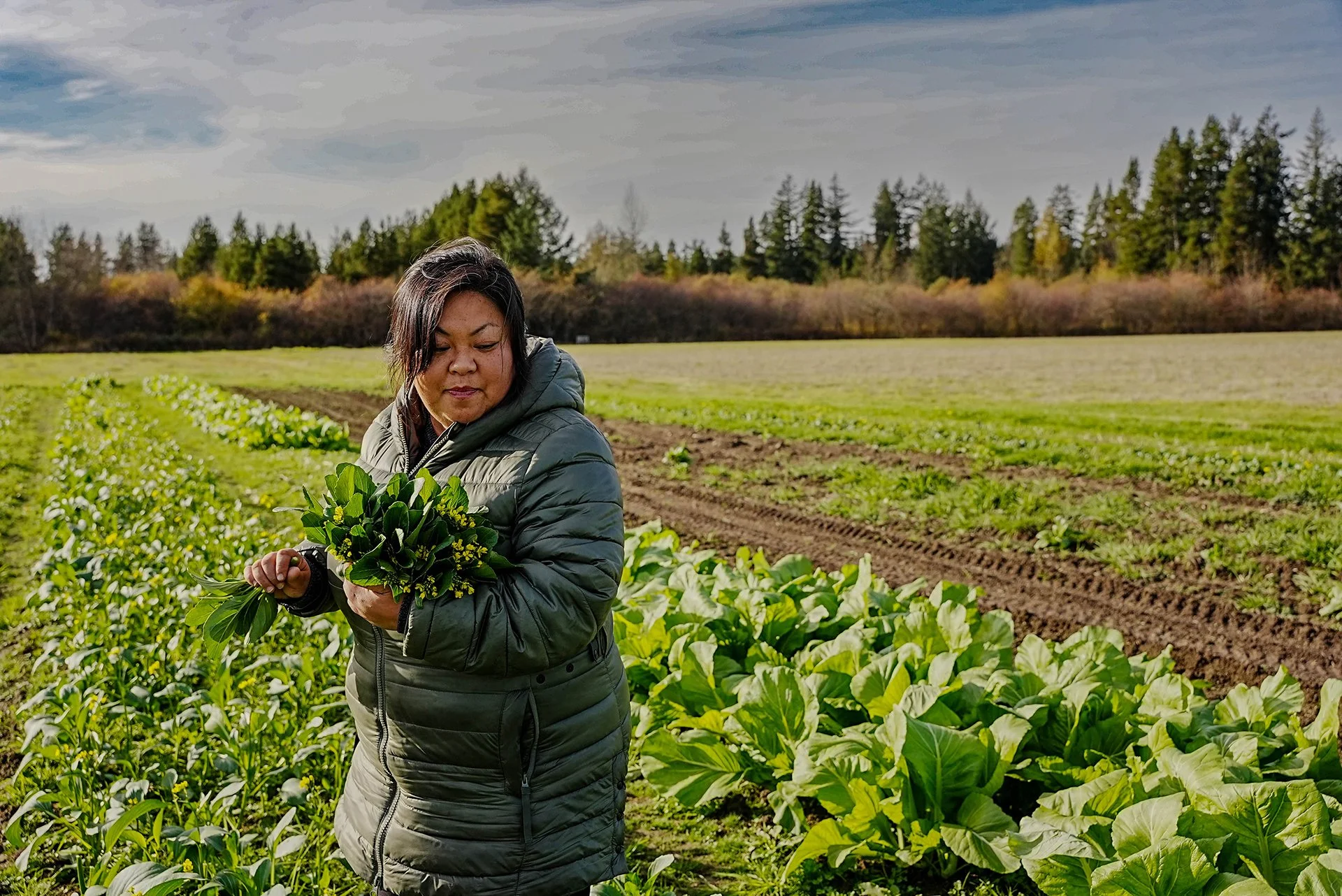
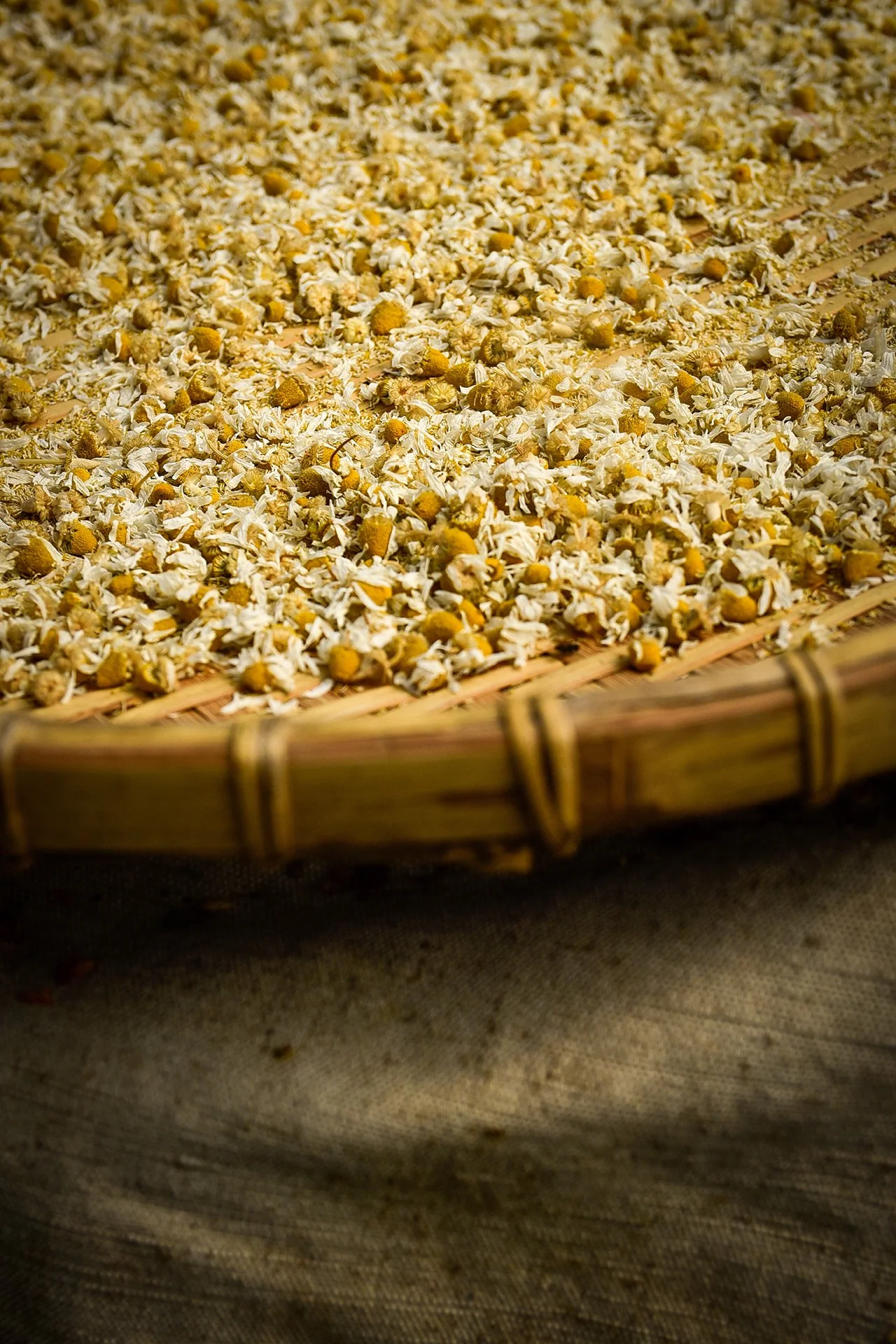
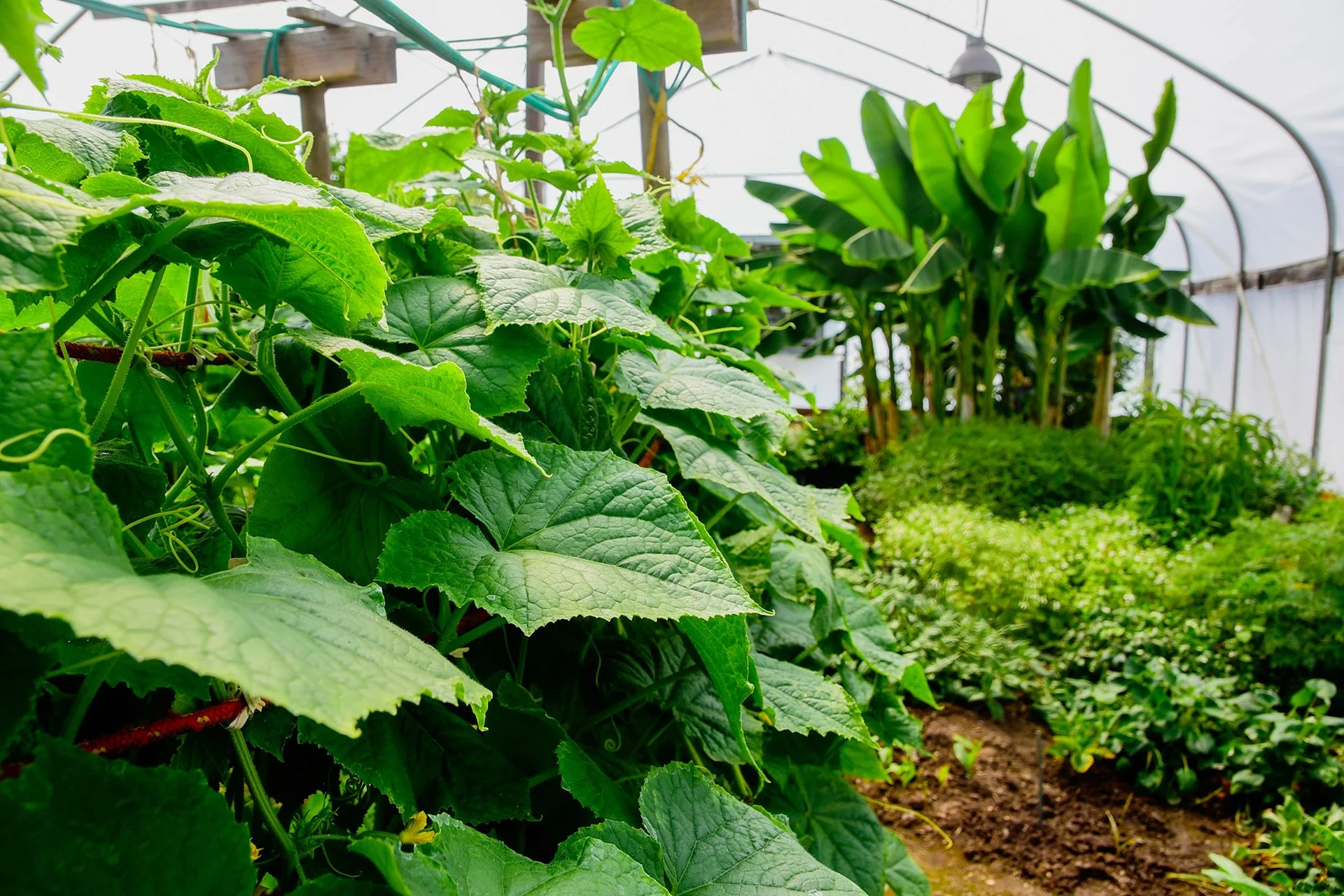
She grows almost entirely by hand: thinning, harvesting, and — alongside her mother — drying seed heads in the sun before threshing them the traditional way, tossing the crushed husks into the wind. It's slow work, and it's also how she built a following. Regulars started asking for her bok choy and gai lan by name, calling the booth when she missed a market day.
When One Path Wasn't Enough
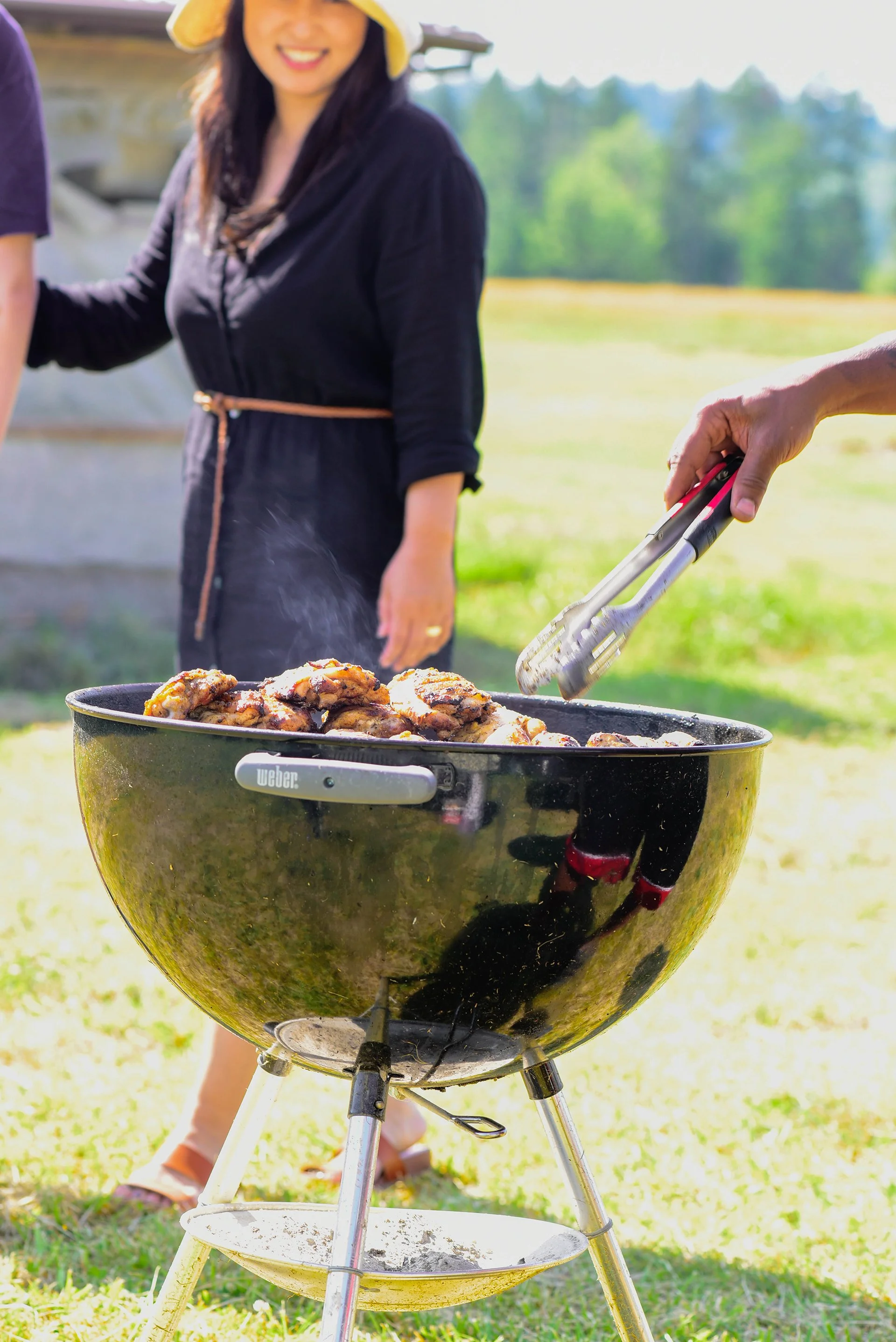
Three years in, Lee hit a wall familiar to almost every small grower: enough income to get by, not enough to expand. More greenhouses meant more permits, more wetland soil tests, more up-front cost she didn't have. Around the same time, a chance conversation with Terry Casey, pitmaster at O.G. Smokehouse BBQ, turned into something else — Lee offering him a few unsold vegetables, showing him how to prepare gai choy, and watching it sell out within a week.
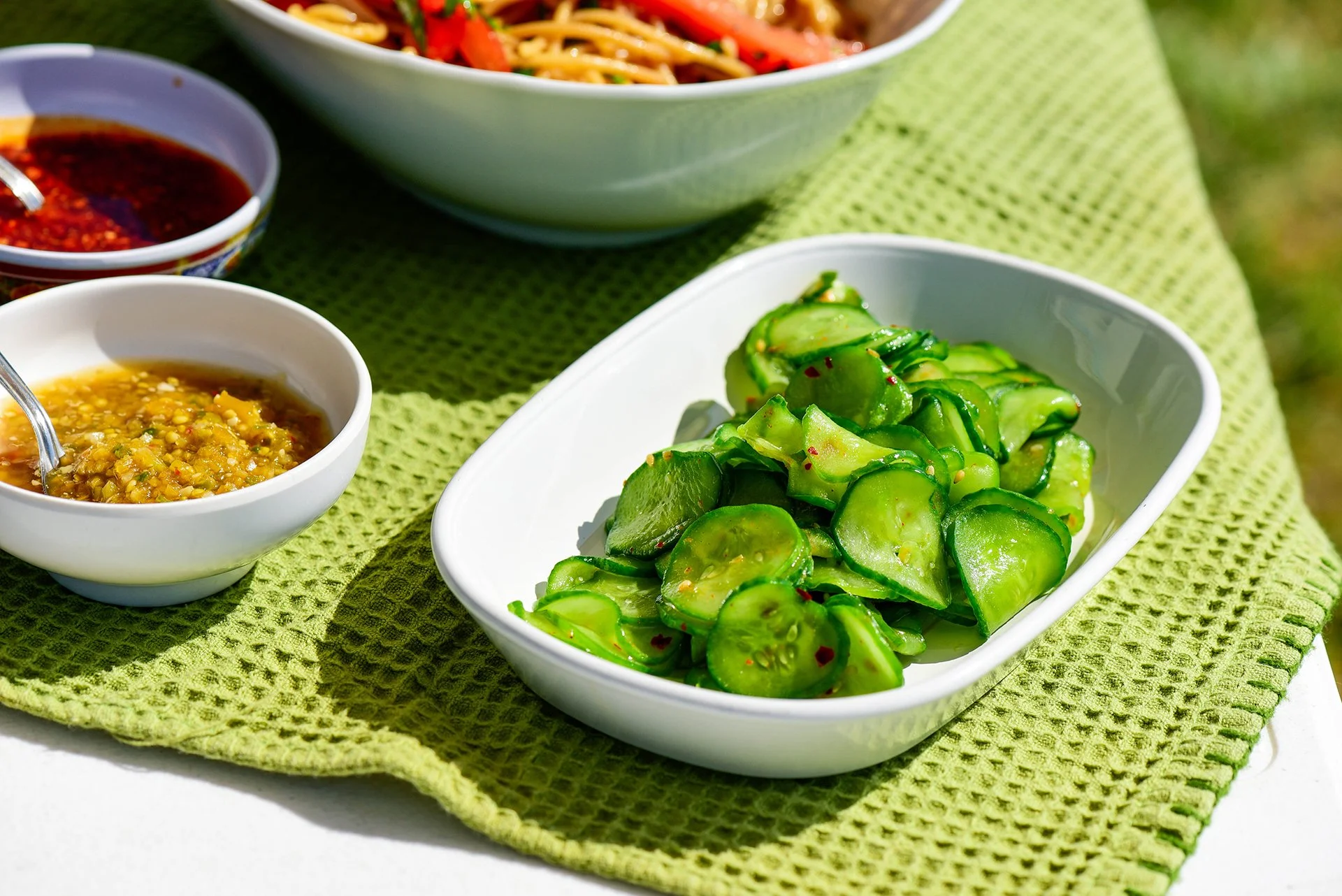
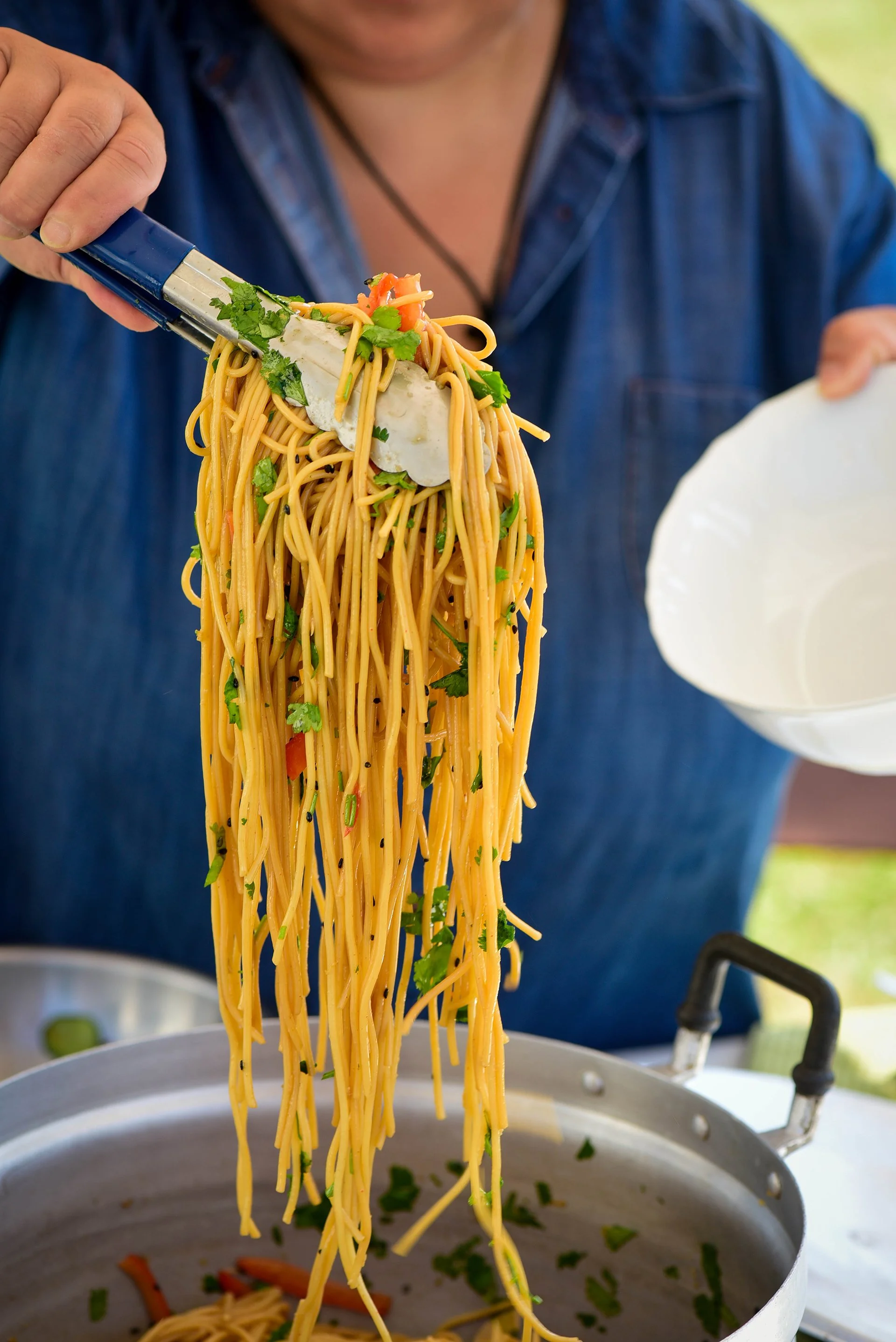
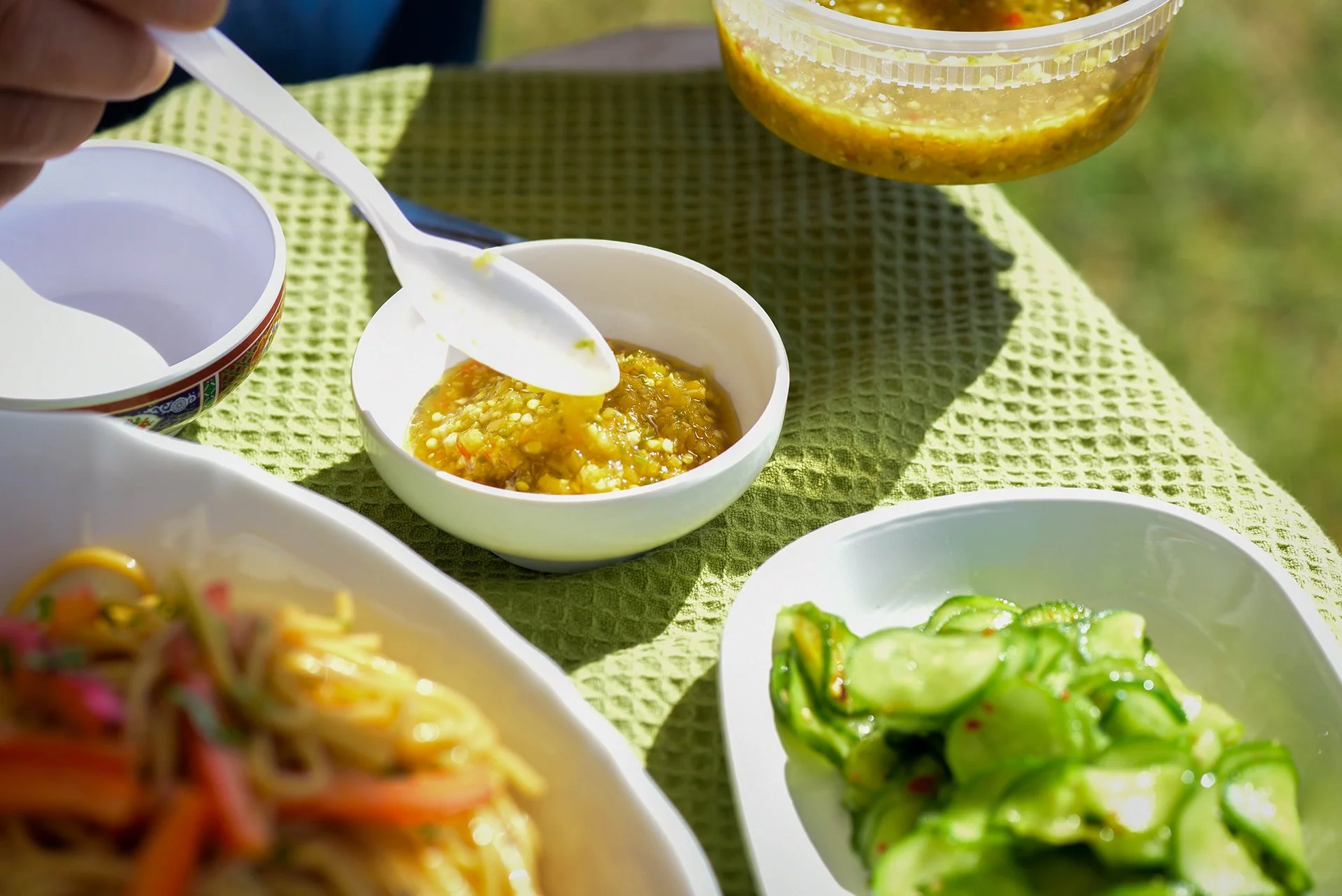
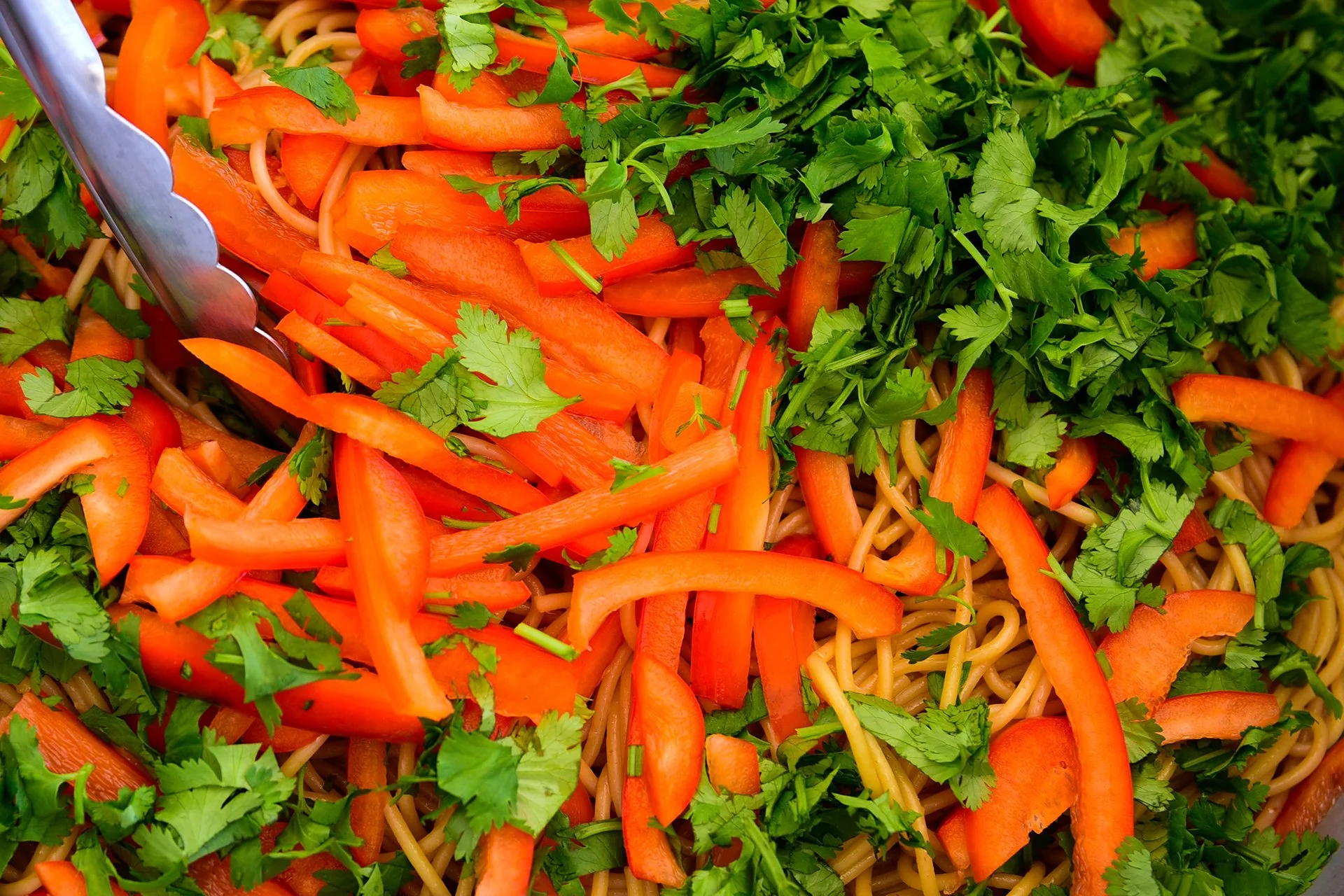
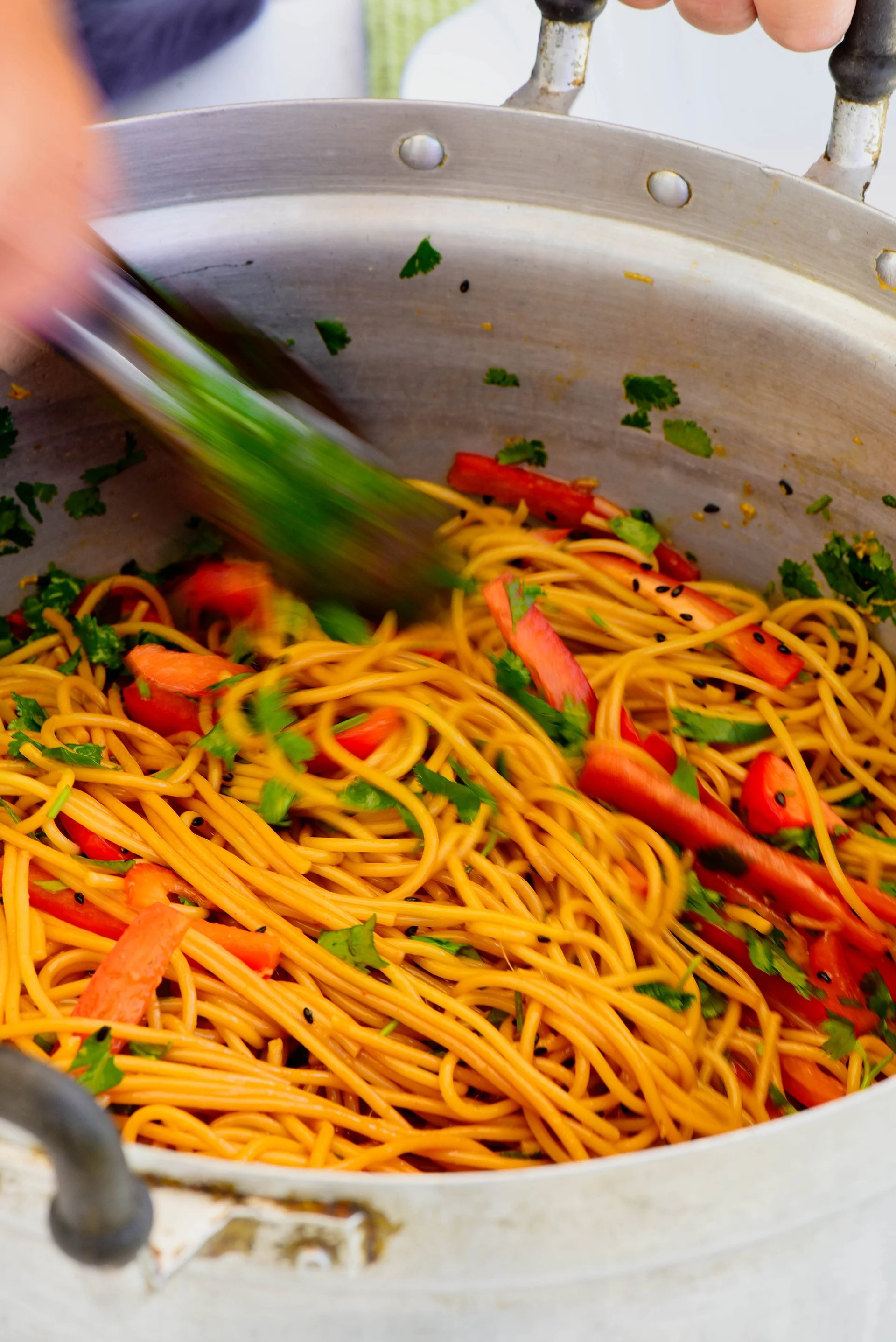
What started as a side arrangement became a partnership. Lee now grows closer to what the truck actually needs instead of overproducing for a market's uncertainty, and she's back in a kitchen a few days a week — on healthier terms this time, cooking dishes that put her produce in front of people who might never have tried it otherwise.
Full Circle
Lee doesn't describe any of this as easy. The money is unpredictable, the seasons don't always cooperate, and the work is still work. But she talks about her life now with a kind of clarity that wasn't there before the farm called her back a second time. She's the one in her family carrying the farming and cooking knowledge forward, on a scale and in a shape that's entirely her own.
Read the full feature, "The Long Way Around," at edibleseattle.com. Follow Mak's Garden at @maks.garden and O.G. Smokehouse BBQ at @theoneOGchef.