

Rolling Bounty Farm
A story about land, trust, and what gets handed down
American Farmland Trust
American Farmland Trust brought me on to shoot the photography for Episode 5 of their LANDED podcast, sending me to Rolling Bounty Farm in Port Orchard, Washington to give listeners a visual home for the story they were hearing. These images ran alongside the episode on AFT's site and are featured here as part of my ongoing editorial and documentary work in food and agriculture.
Rolling Bounty Farm: A Story About Land, Trust, and What Gets Handed Down
There's a version of the farm succession story that gets told a lot: the fifth-generation kid takes over the family place, and the land stays in the family. That story matters, but it isn't the only one. Across the country, farmland is changing hands between people who share no last name and no history — just a willingness to trust each other with something that took a lifetime to build.
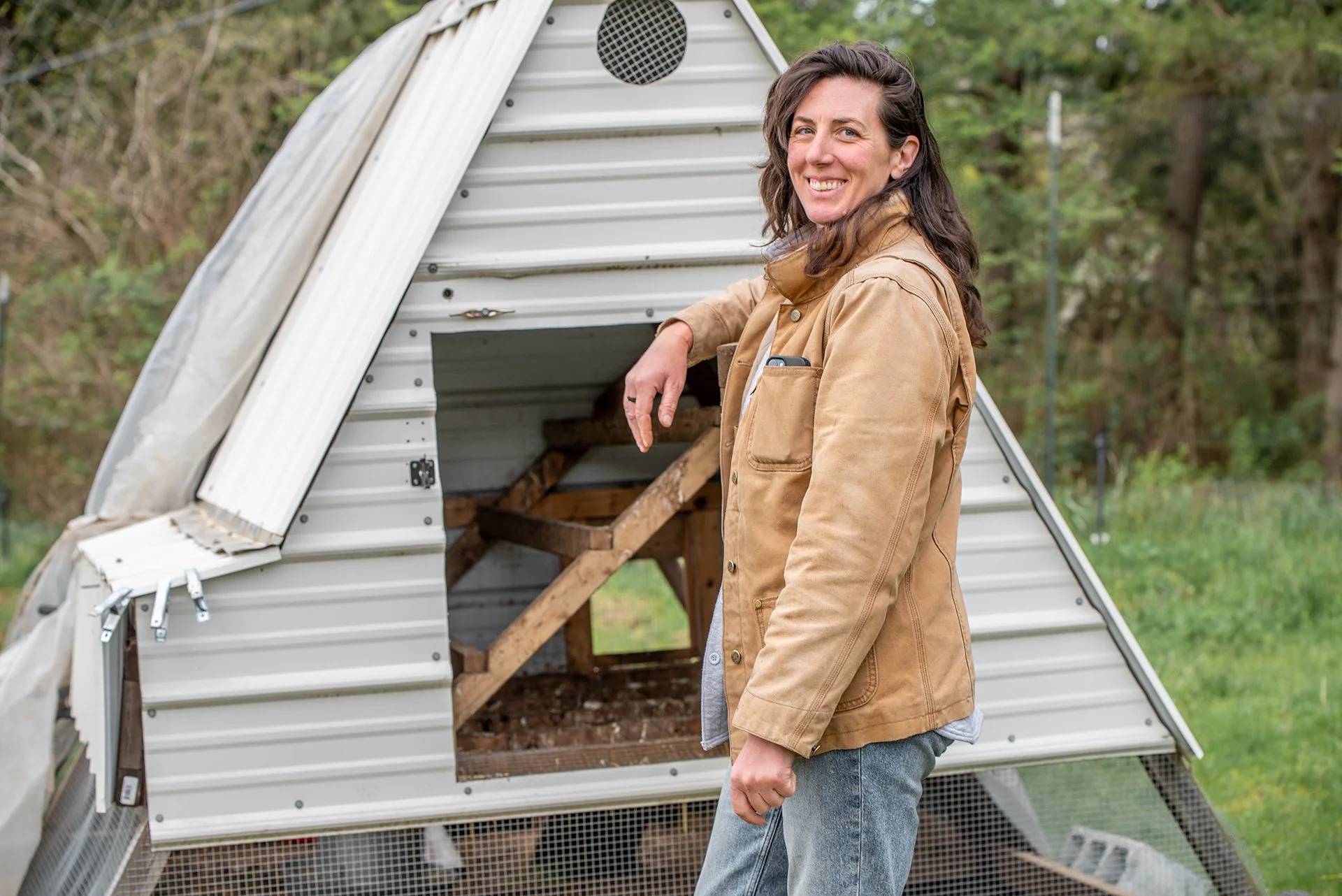
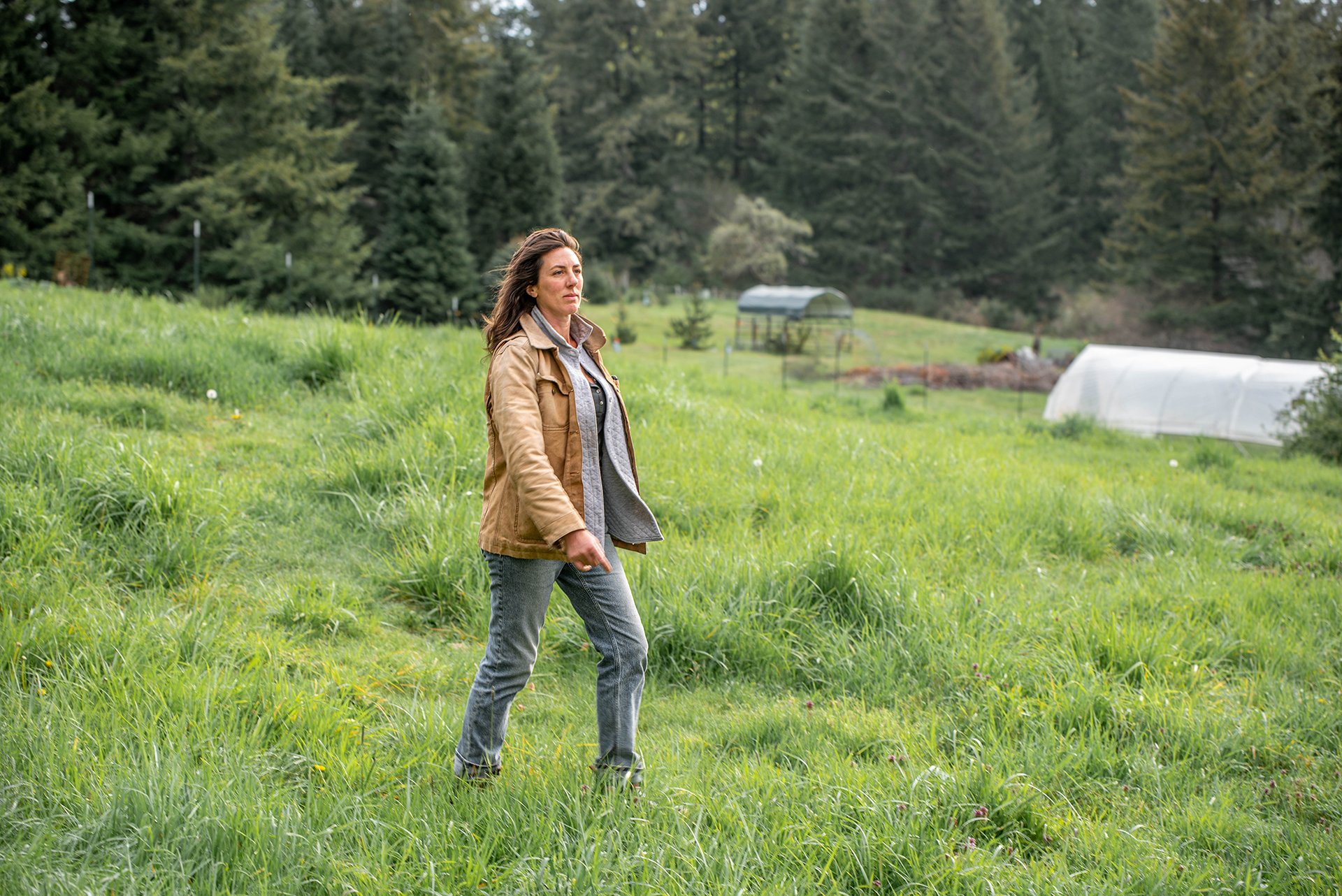
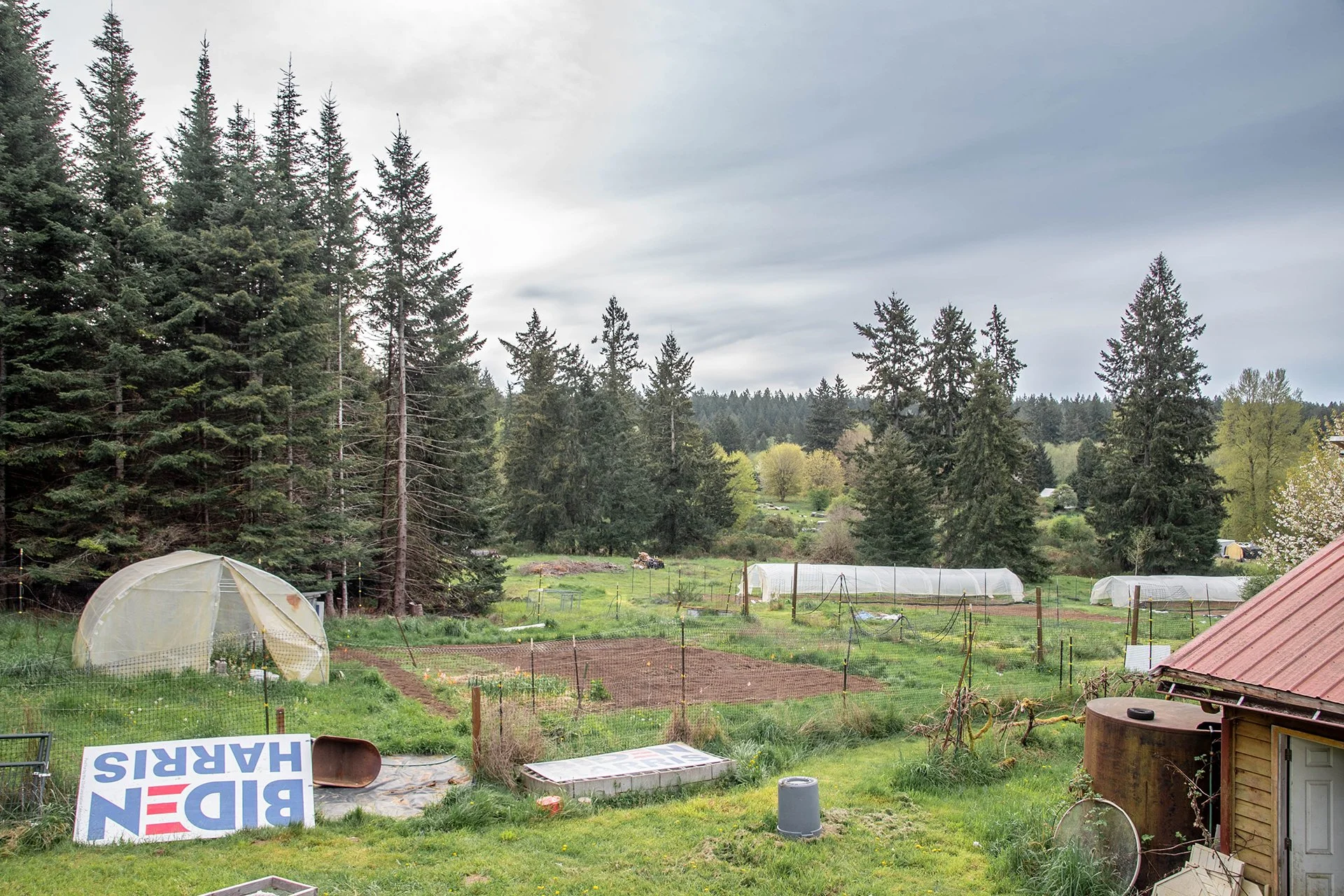
That's the story American Farmland Trust set out to tell in Episode 5 of its LANDED podcast, "Finding Farmland and a Family." It's the story of Ann Gilman, who runs Rolling Bounty Farm — 23 acres on the Kitsap Peninsula near Port Orchard, 14 of them open ground, the rest hemmed in by Douglas fir — and Bob and Donna Gilby, the couple who actually hold the deed. Ann calls herself a "succession farmer": someone with no blood tie to the land who has spent seven years building a business on it anyway, bridging what she describes as "a legacy of the landowners" with her own working farm.
The Work of the Land
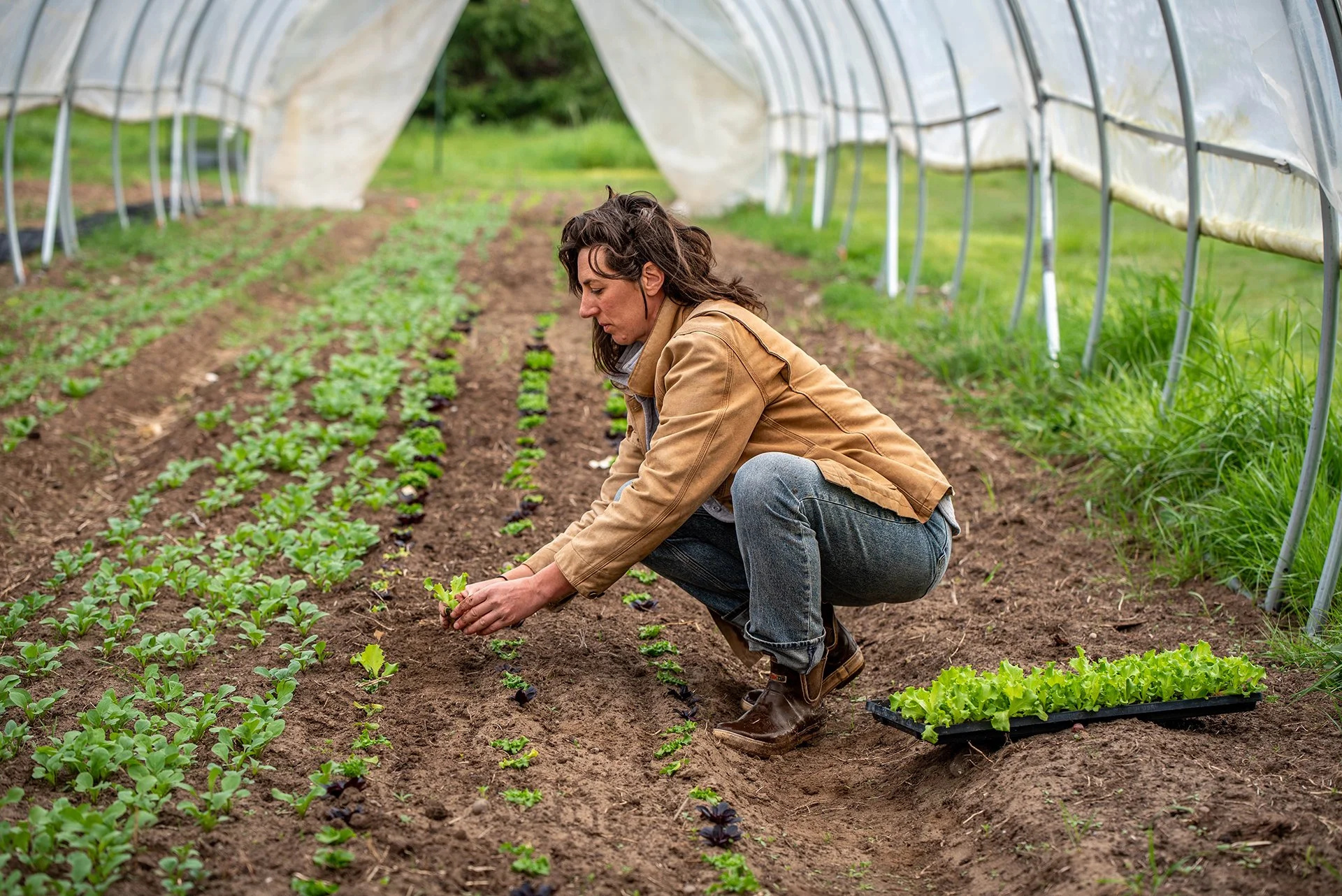
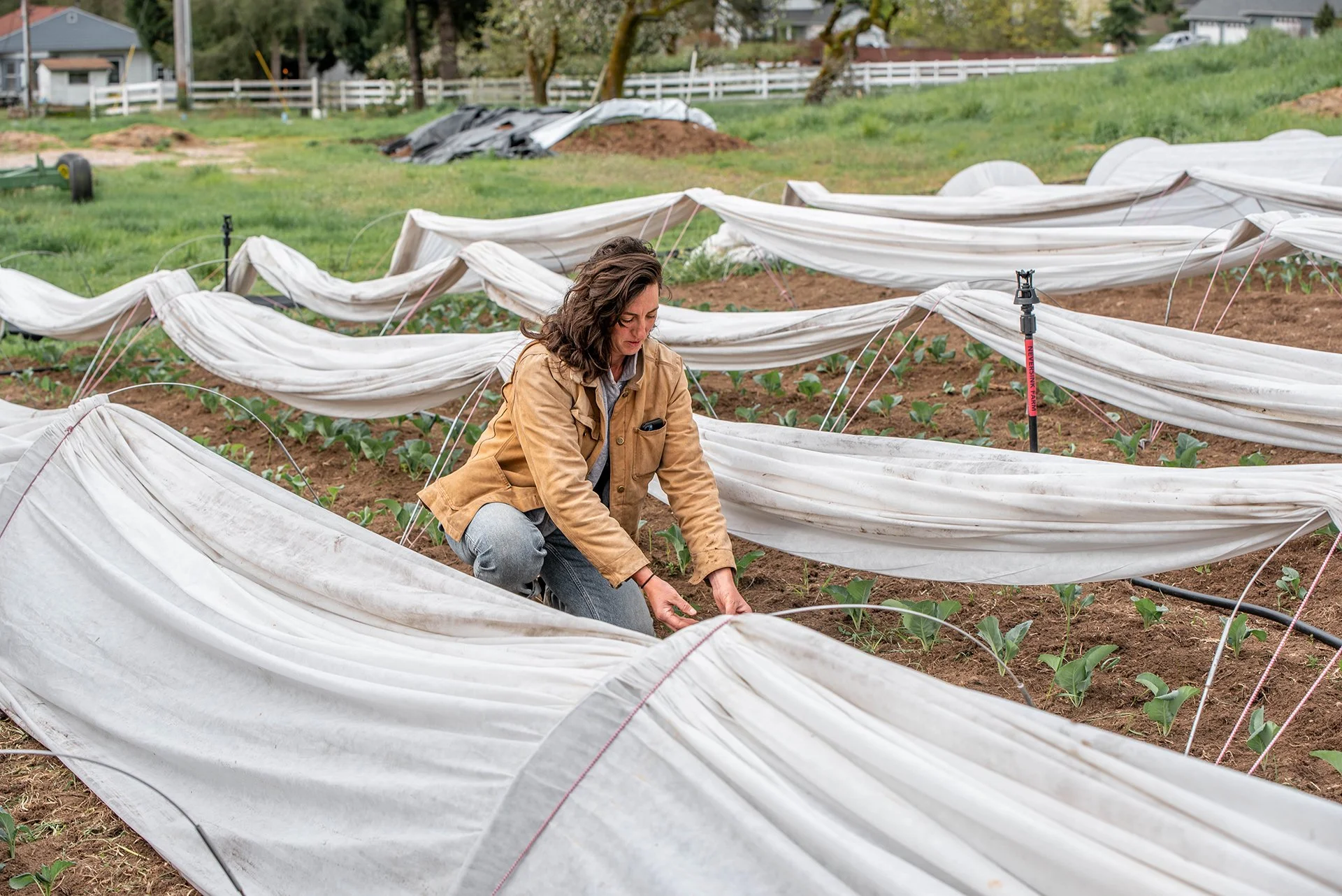
Ann's day doesn't start with a business plan. It starts in the field under a gray sky, wind rippling the grass, row cover fabric being pulled taut over young starts before the next system rolls through. She built her wash-and-pack operation herself with an upcycled washing machine and box fans repurposed for cleaning produce, and bent conduit salvaged from the very first greenhouse she put up — the makeshift, ever-evolving infrastructure that now grows eggplant, kale, lettuce, onions, tomatoes, and turnips for local markets.
None of it is permanent, and that's not an oversight. As Ann put it, "I've put hundreds of thousands of dollars into this... but it's not like I've poured concrete." Leasing land means building a business you might someday have to leave, but committing to it fully anyway.
A Different Kind of Inheritance
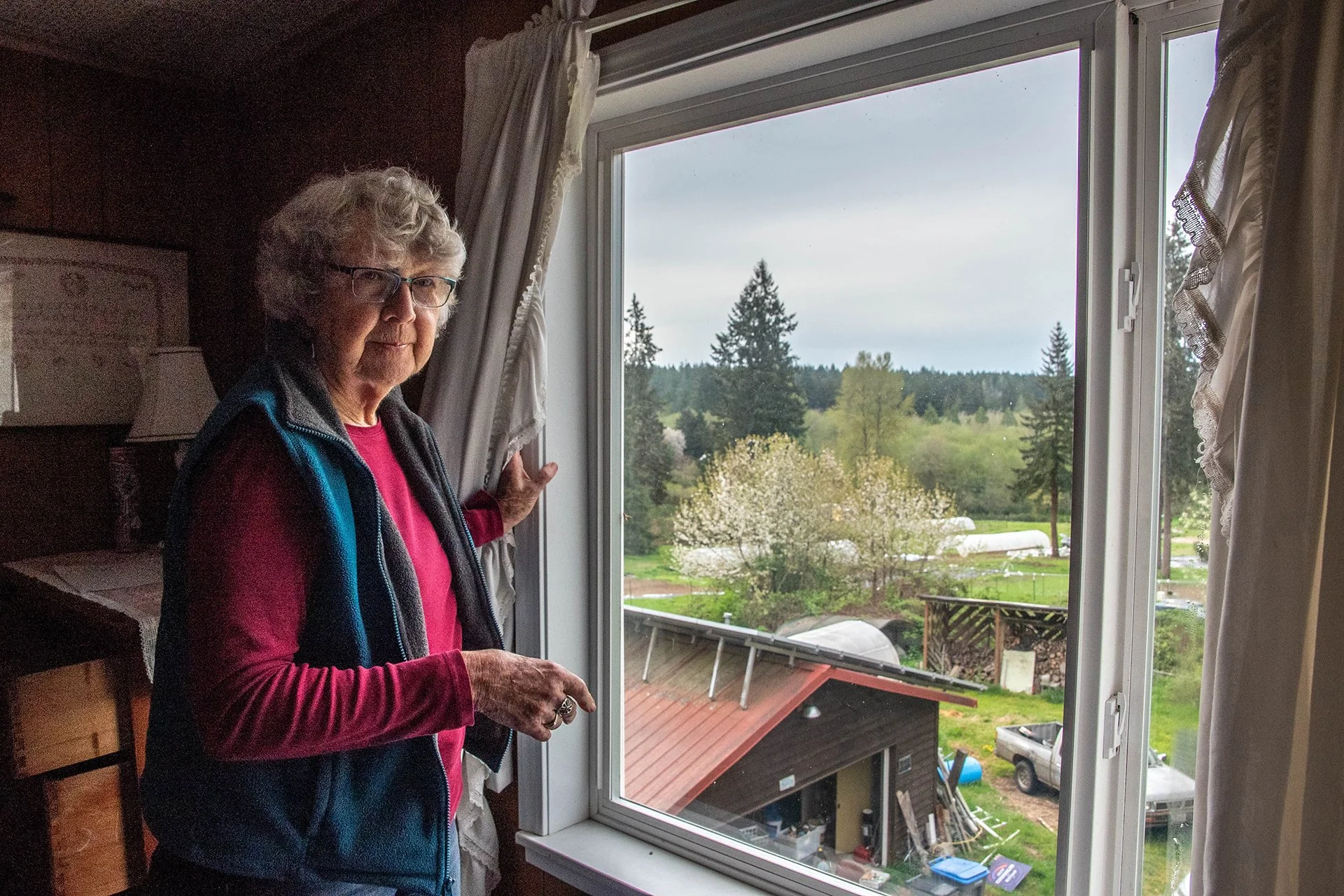
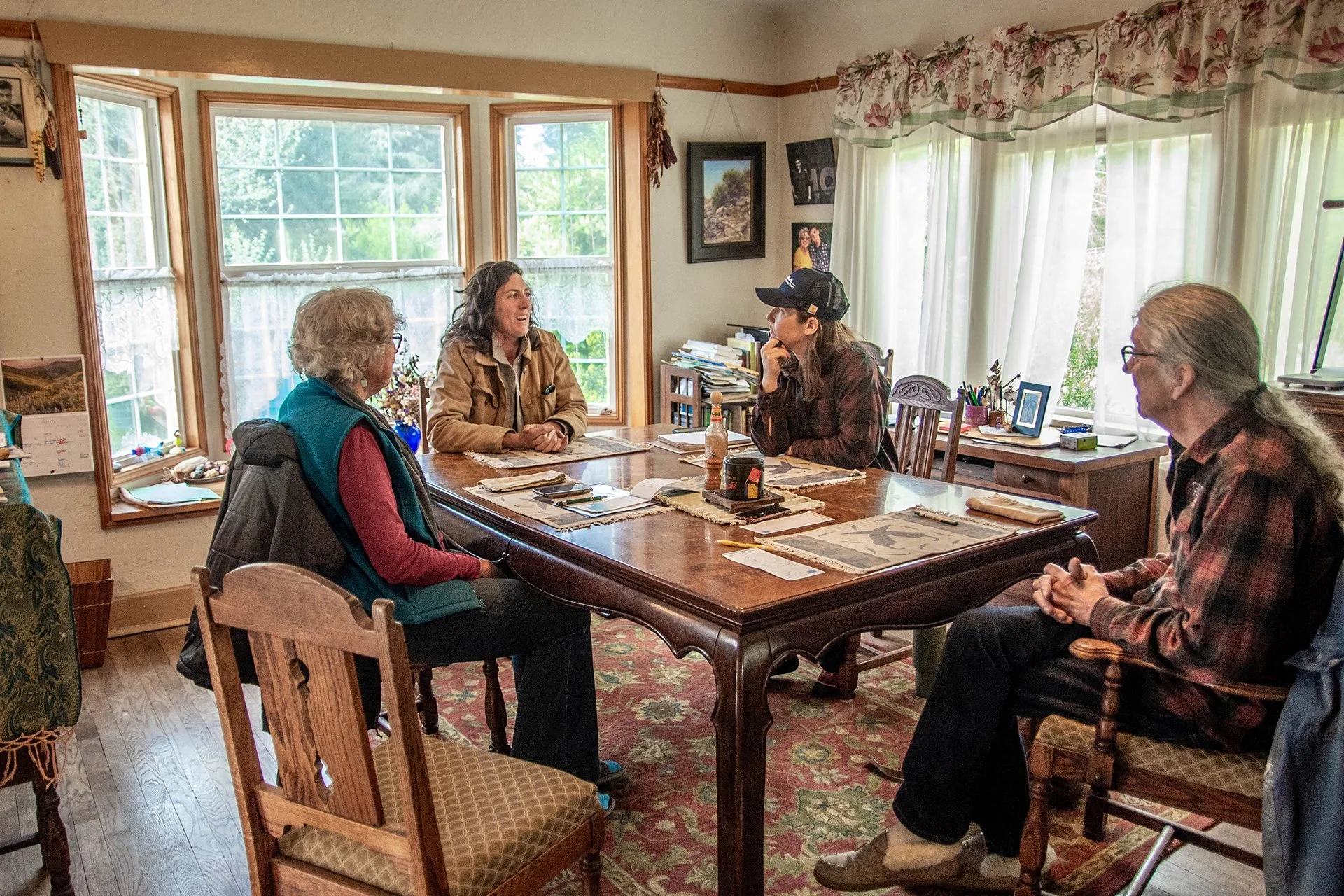
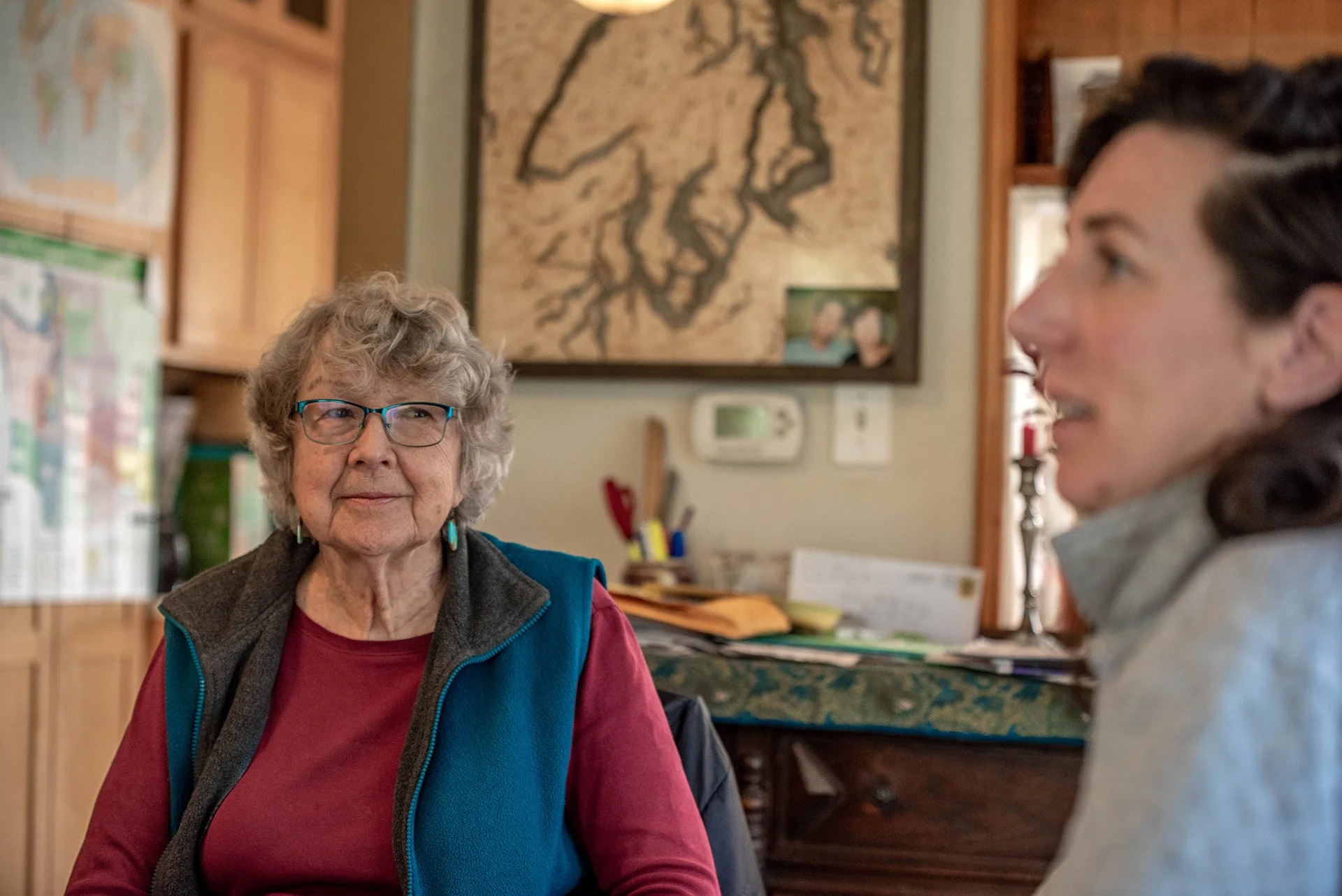
Donna's connection to this ground goes back to 1952, when she was ten years old and her family stopped for a "for sale" sign on a Sunday drive. Her parents bought the place and ran it as a dairy farm; Donna grew up here, then left for decades before she met Bob, a high school teacher. They didn't come back until 2015, and what followed was four years of organic vegetable farming of their own, until their energy gave out. None of their children wanted to farm the land, so Bob and Donna faced the question a lot of aging farm families put off: not just who inherits the deed, but who keeps the land itself alive as a working farm once they can't.
What "Landed" Actually Looks Like
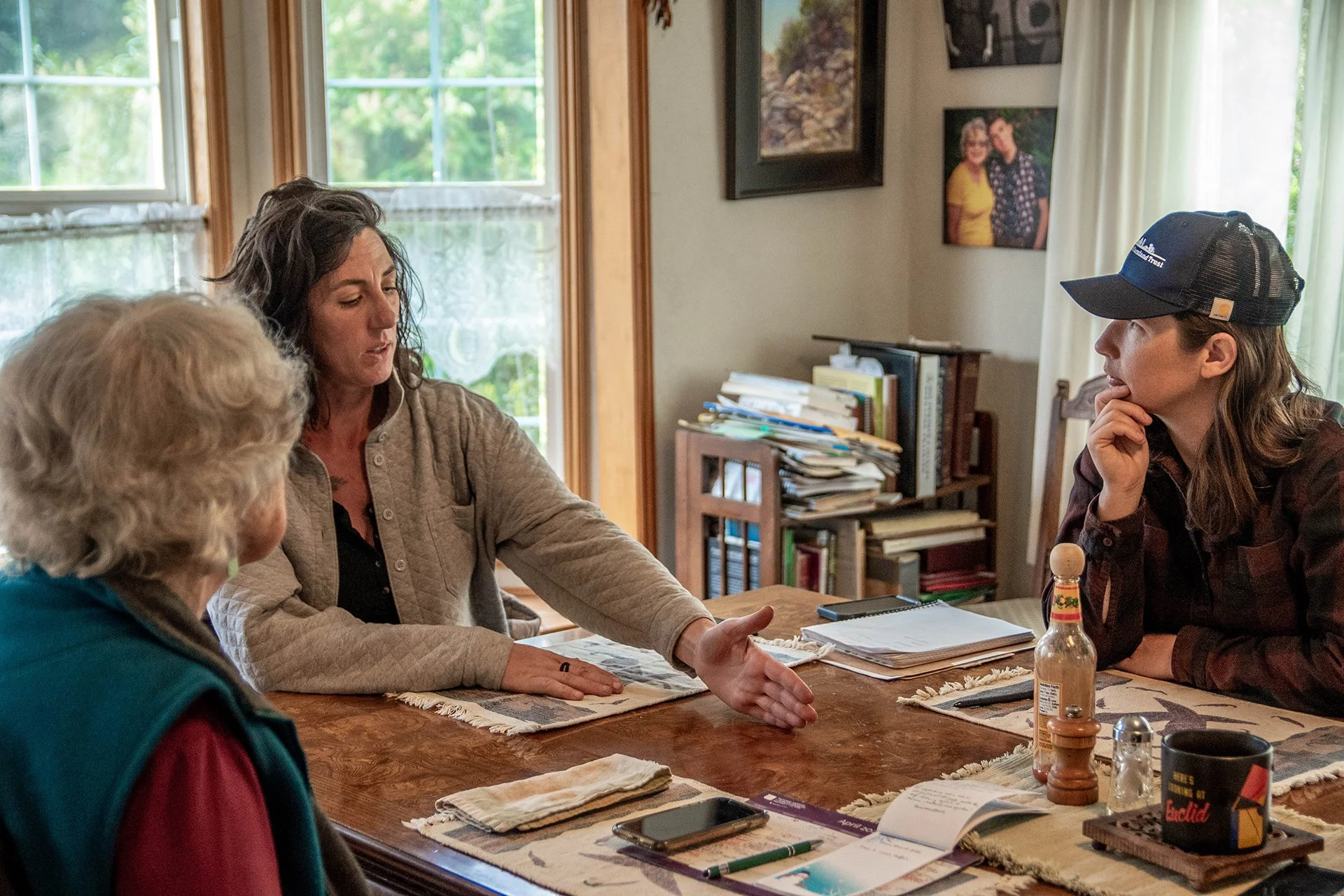
Ann showed up in the fall of 2018. "It was clear that her heart was bonding with this land," Bob says, and what started as an informal arrangement has become something more like a shared stewardship — Donna's family history, Bob and Donna's retirement, and Ann's livelihood all layered onto the same 14 acres. It hasn't been simple. Ann admits to lying awake, unsure whether an unrelated tenant farmer without a long-term commitment in writing really matters to the people who own the ground under her: "I'm not blood related. So does it matter?"
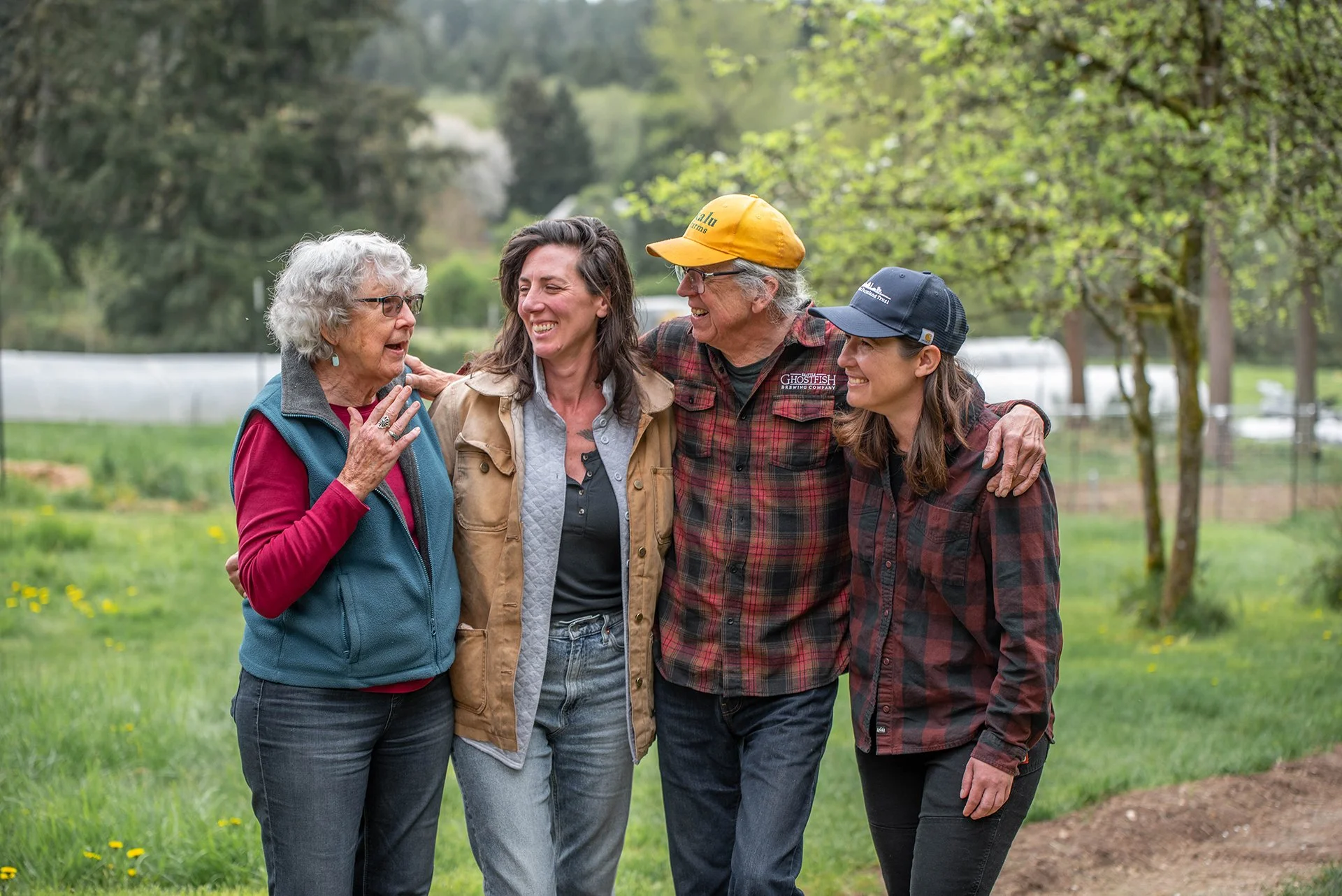
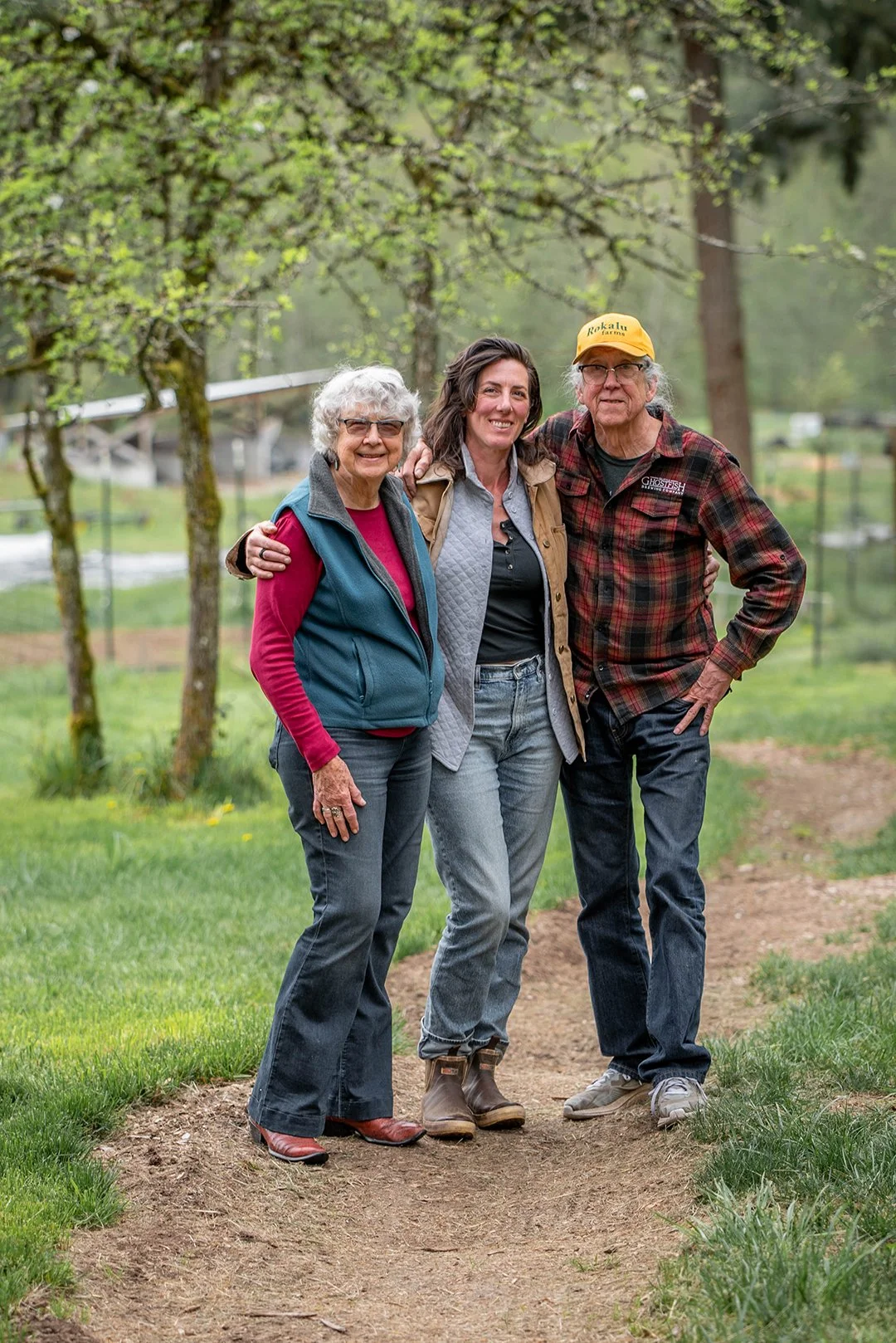
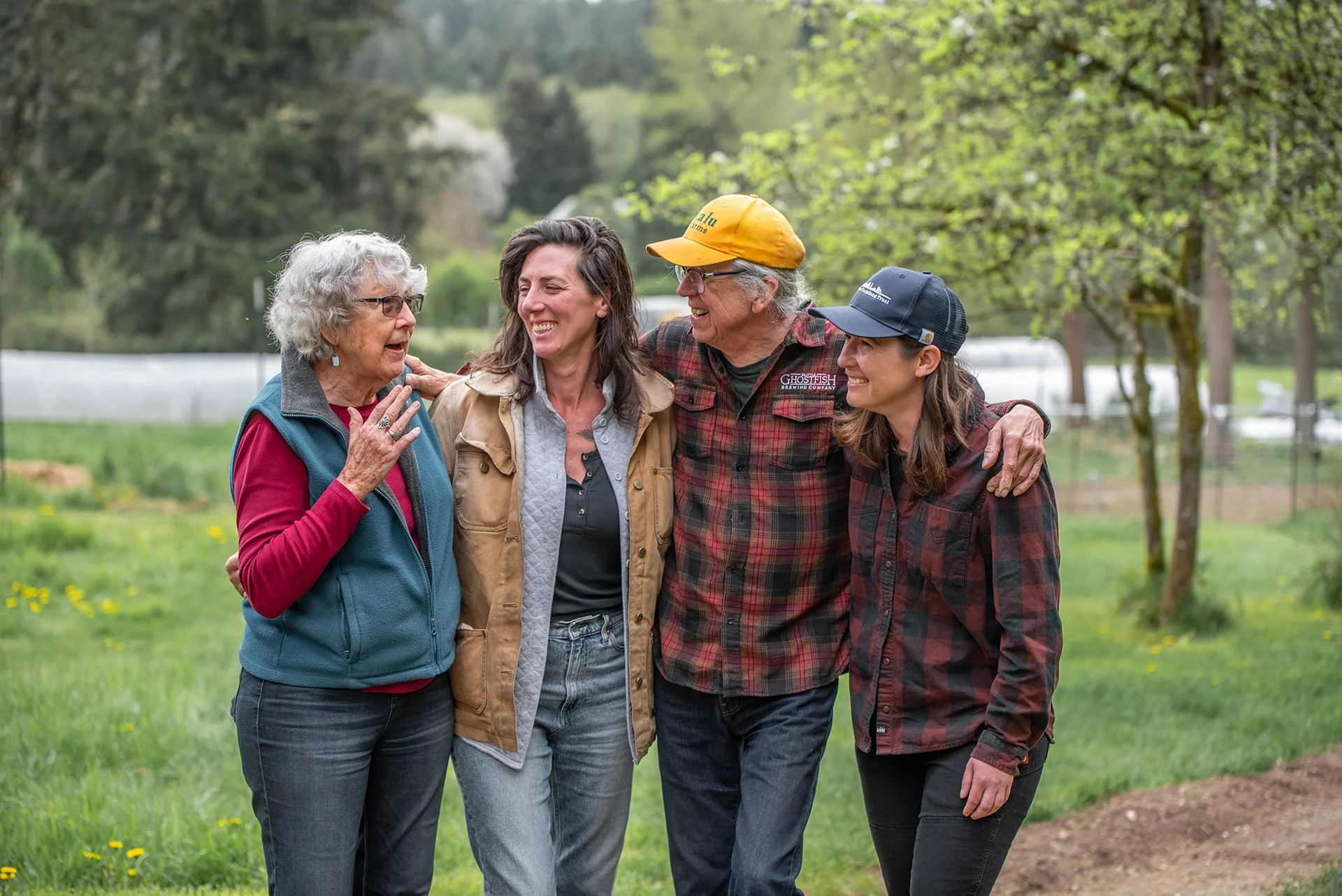
It turns out it can if everyone involved is willing to plan for it on purpose. Standing with Ann, Bob, and Donna in the orchard at the end of the day, it was hard to tell where the professional relationship ended and something more like family began. That's not incidental to what American Farmland Trust is trying to document with this season of LANDED. Land access isn't only a financial problem, though it is that too. It's also a relationship one, built season by season, between people who had every reason not to trust each other and decided to anyway.
Rolling Bounty Farm's story is featured in Episode 5 of American Farmland Trust's LANDED podcast, part of a season exploring how farmland transfers from one generation to the next — and what happens when it doesn't. Listen to the full episode at farmland.org/landed-podcast.